Tracing Regulatory Impacts on Reward Mechanics Within Cross-Device Gaming Frameworks
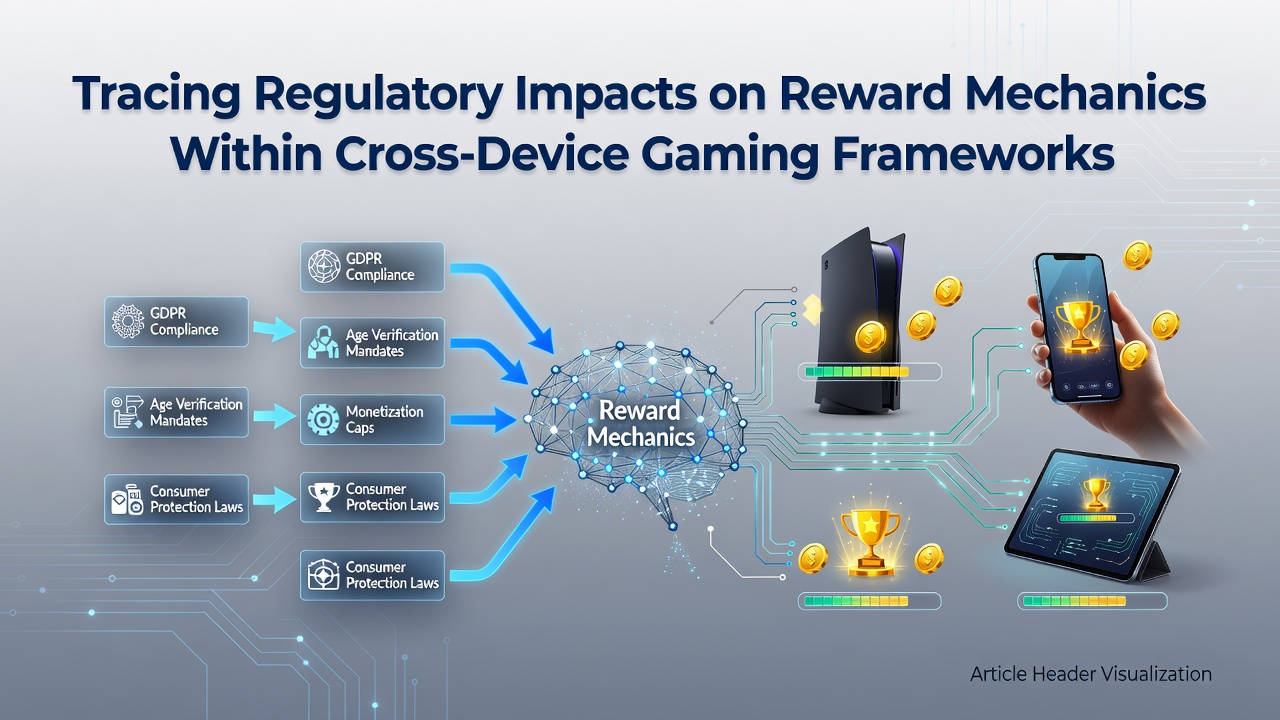
Regulatory changes continue to reshape how reward mechanics operate inside cross-device gaming frameworks, where players move seamlessly between mobile apps, desktop clients, and browser-based interfaces. Data from industry reports shows that rules on player verification, transaction monitoring, and cross-border data flows directly influence bonus structures, loyalty programs, and progressive reward triggers. These frameworks must now account for varying standards across jurisdictions, which affects everything from instant credit awards to long-term point accumulation systems.
Current Regulatory Environment in Mid-2026
By June 2026 several jurisdictions had updated their compliance requirements for online gaming operators. The European Union's Digital Services Act expansions required stricter age verification and reward transparency, while certain U.S. states introduced new reporting mandates for multi-device session tracking. Observers note that these updates force platforms to adjust reward delivery timing, because automated bonus triggers now require real-time compliance checks that span different device types and operating systems.
Research from the University of Nevada's International Gaming Institute indicates that operators have increased investment in unified compliance layers that apply the same regulatory filters regardless of whether a player accesses rewards on a smartphone or desktop. This shift has led to standardized verification protocols that delay or modify reward mechanics when cross-device activity raises flags under anti-money laundering guidelines.
How Rules Alter Bonus and Loyalty Structures
Reward mechanics face direct constraints when regulations limit the types of incentives that can be offered across devices. For instance, rules requiring proof of single-account usage prevent the automatic transfer of loyalty points between a mobile session and a desktop login if the system detects any mismatch in location data. According to figures released by the Casino Regulatory Authority of Singapore, platforms operating under their oversight reduced the frequency of instant bonus cascades in 2026 because each reward activation now demands device-agnostic identity confirmation.
Those who study these systems have observed that loyalty programs increasingly tie point multipliers to verified play patterns rather than raw session length. This change stems from requirements that operators demonstrate responsible reward distribution, particularly when players switch devices mid-session. The result appears in modified algorithms that cap certain bonuses until full regulatory clearance occurs across all connected devices.
Technical Adjustments Driven by Compliance Needs
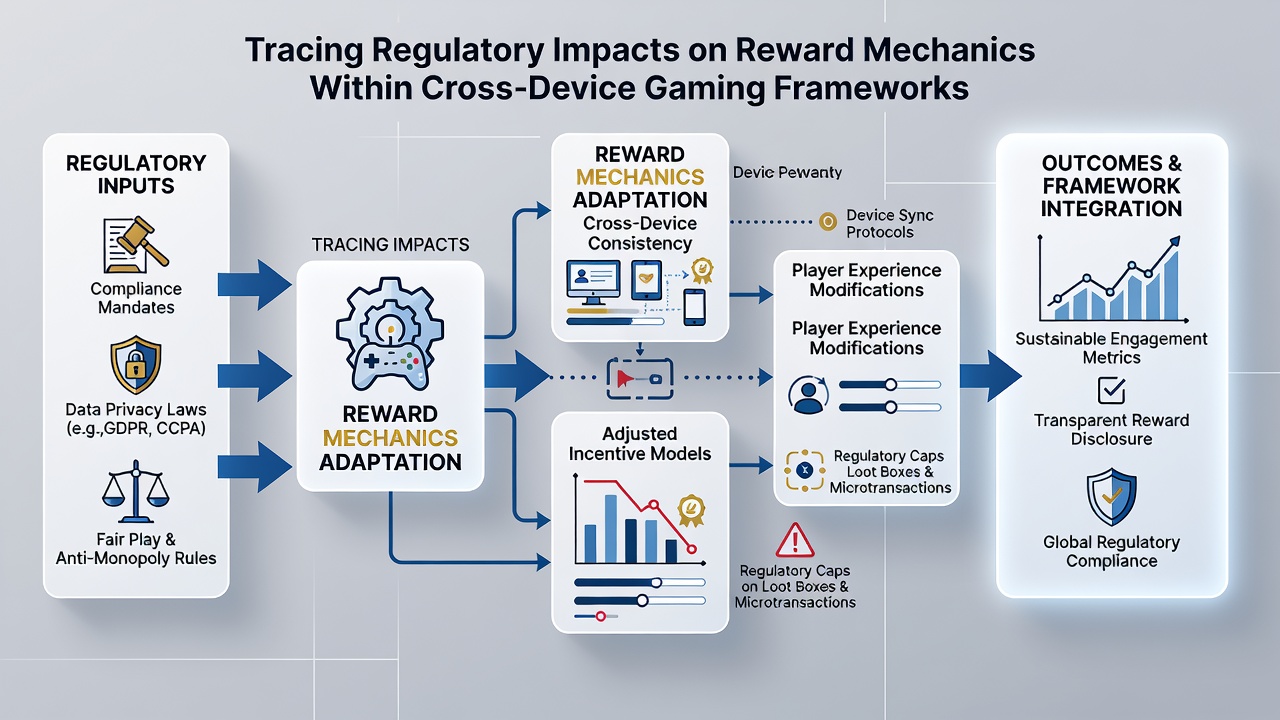
Cross-device frameworks rely on synchronized data streams, yet regulations often mandate segmented storage of player information. Operators respond by building modular reward engines that isolate bonus calculations on separate servers until compliance checks clear. This architecture prevents automatic reward propagation when one device session triggers a regulatory review while another does not. Reports from the Australian Communications and Media Authority highlight how such segmentation has become standard practice among licensed operators serving multiple device ecosystems.
Transaction confirmation protocols also intersect with reward mechanics. When regulations demand enhanced due diligence for larger deposits or withdrawals, platforms pause related bonus triggers until the process completes. The delay applies uniformly whether the player initiated the action through a mobile wallet or desktop interface, creating consistent but sometimes slower reward experiences across frameworks.
Regional Variations and Their Effects
Different regions apply distinct pressures on reward systems. Canadian provincial regulators emphasize consumer protection disclosures that must accompany every cross-device bonus offer, while certain Asian markets focus on transaction caps that limit how quickly rewards can accumulate across sessions. These variations require operators to maintain region-specific reward modules within the same cross-device platform, which adds layers of logic that activate or suppress bonuses based on detected player location and device type.
One study revealed that operators serving multiple markets now log every reward event with jurisdiction tags, allowing automated systems to apply the correct regulatory filter before delivery. This tagging process has become essential for maintaining compliance when players travel or use VPNs that shift apparent device locations.
Conclusion
Regulatory impacts on reward mechanics within cross-device gaming frameworks continue to evolve through updated verification rules, segmented data handling, and jurisdiction-specific limits. Operators adapt by implementing unified compliance layers and modular reward engines that respond consistently across devices. Data shows these adjustments affect bonus timing, loyalty structures, and progressive reward triggers while maintaining operational integrity under diverse oversight regimes. The landscape remains dynamic as new requirements emerge in different regions throughout 2026.