Shifts in Player Preferences for Interactive Experiences When Using Alternative Funding Sources on Handheld Devices
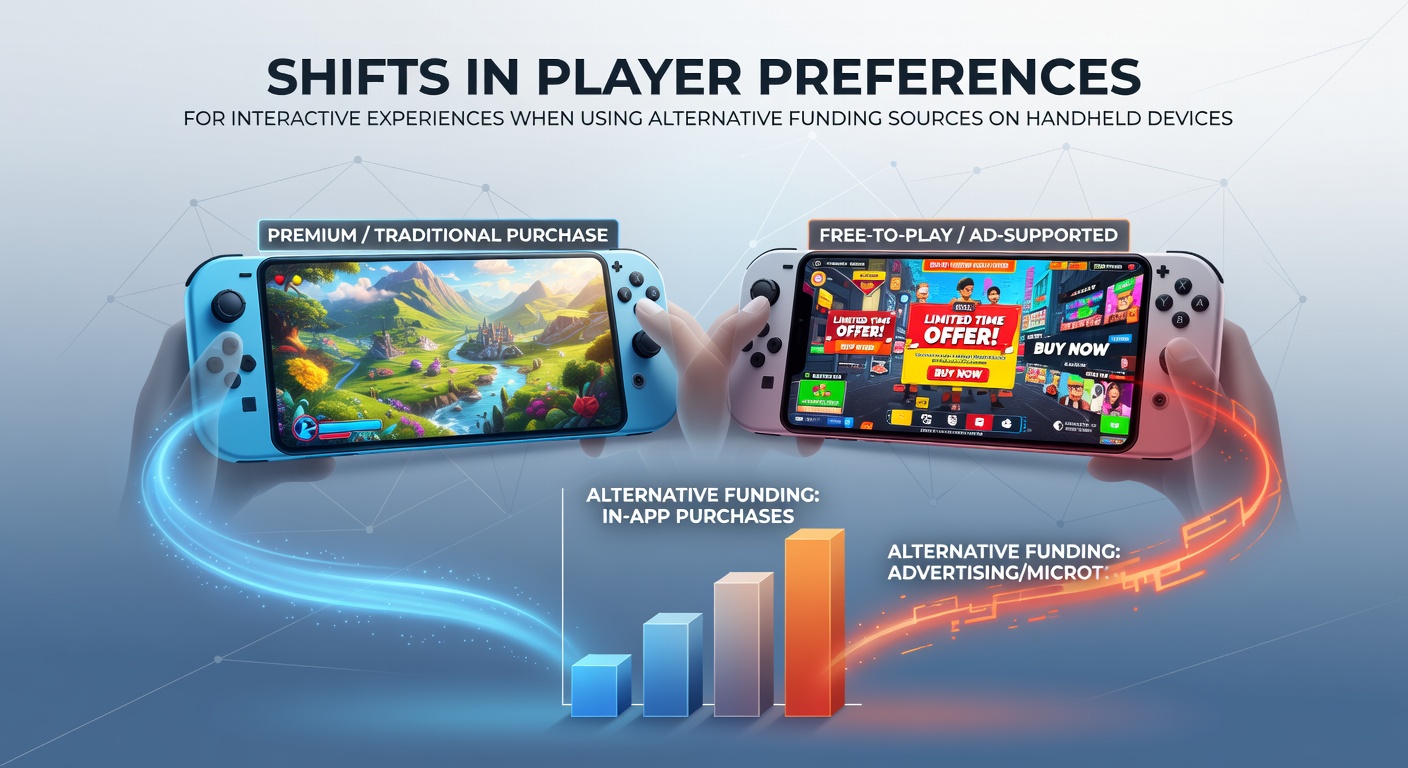
Data from industry trackers shows players on smartphones and tablets increasingly favor interactive experiences funded through subscriptions, carrier billing, and digital wallets rather than traditional credit card transactions, with patterns emerging clearly by early 2026. These funding methods alter how users select games, augmented reality tools, and collaborative apps, as payment friction decreases and spending becomes more seamless across regions.
Understanding Alternative Funding Mechanisms
Alternative funding sources include direct carrier billing, where charges appear on mobile phone invoices, subscription services like those offered through device ecosystems, and emerging options such as cryptocurrency wallets integrated into apps. Researchers at the Entertainment Software Association noted in their 2025 annual report that mobile interactive content generated over 40 percent of industry revenue through these channels in North America, while similar shifts appeared in Asian markets tracked by regional associations. Handheld devices facilitate this transition because operating systems support multiple payment APIs that reduce checkout steps compared with desktop platforms.
Users often select experiences based on how easily they can fund ongoing participation. For instance, battle pass systems in multiplayer titles and recurring access to creative tools in design apps see higher retention when linked to carrier billing in markets like Australia and Canada. Figures from the Australian Communications and Media Authority reveal that carrier billing accounted for 18 percent of digital content purchases on mobile devices during the first quarter of 2026, up from 12 percent two years prior.
Observed Preference Patterns Across Regions
Studies indicate regional differences in how funding sources influence choices. In Europe, subscription bundles through app stores correlate with preferences for narrative-driven interactive stories and simulation games, whereas in parts of Latin America, cryptocurrency options tie more closely to competitive multiplayer experiences. A 2025 paper from the University of Melbourne examined data across 12 countries and found that when alternative payments remove currency conversion barriers, players expand their libraries to include niche titles they previously bypassed due to transaction costs.
May 2026 brought further clarity as several device manufacturers updated their billing frameworks to include more localized wallet options. This change coincided with increased downloads of collaborative world-building apps in Southeast Asia, where users reported smoother integration between funding methods and real-time social features. Observers note that these updates align with broader digital payment regulations introduced in Singapore and South Korea earlier that year.
Impact on Interactive Content Formats
Longer session times appear when funding flows through subscriptions because users face fewer interruptions at each transaction point. Data collected by the Mobile Marketing Association shows average play duration rising 22 percent in titles that default to subscription models on handheld devices. Meanwhile, one-time purchase games maintain steady interest when paired with digital wallet options that allow quick top-ups during live events or seasonal updates.
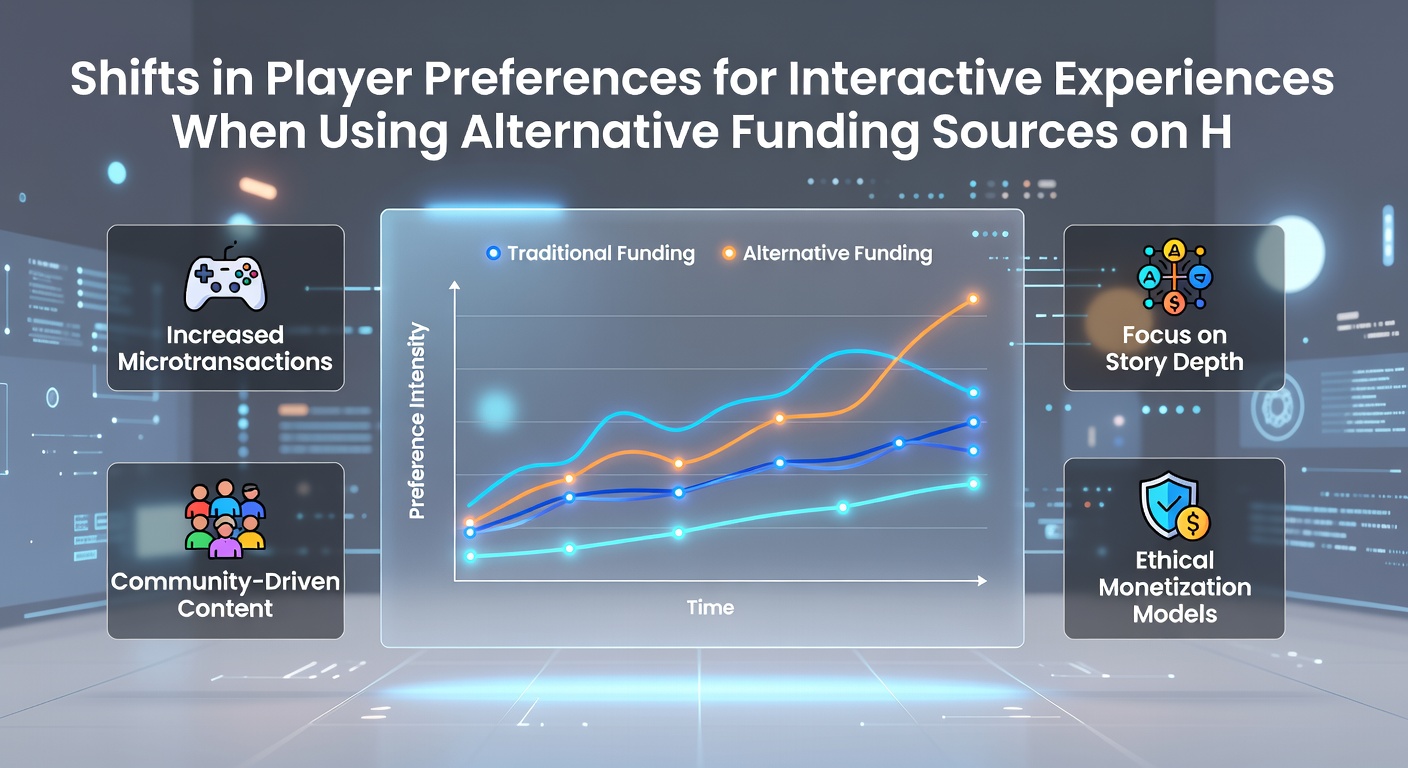
Augmented reality applications demonstrate another shift. Developers report that users gravitate toward experiences allowing micro-funding through carrier channels when the content involves location-based progression. This setup supports frequent small contributions without requiring users to re-enter payment details, which aligns with observed behavior in urban centers across Canada and the European Union.
Device-Level Factors Driving Change
Handheld hardware capabilities play a direct role. Newer chipsets handle secure wallet authentication faster, enabling split-second confirmations that keep players immersed. Industry reports highlight that devices running the latest operating systems record higher conversion rates for alternative funding compared with older models still reliant on card entry forms. Those who've studied transaction logs across millions of sessions point out that reduced latency during payment directly correlates with continued engagement rather than abandonment.
Security features embedded in modern handhelds also contribute. Biometric verification combined with alternative funding sources creates a streamlined path that users prefer for ongoing interactive sessions. Government data from Canada's digital economy reports indicate a measurable uptick in mobile content spending through these combined systems during the spring of 2026.
Future Trajectories Based on Current Data
Analysts tracking these trends expect continued diversification of funding sources as more regions adopt open banking standards. This development could further influence how players allocate time across different interactive formats on handheld devices. Evidence from ongoing studies suggests that flexibility in funding methods will remain a primary factor in content selection, especially as new hardware iterations introduce additional payment integrations.
Conclusion
Current figures reveal that alternative funding sources on handheld devices continue reshaping player preferences toward experiences offering seamless, recurring access. Regional data collected through 2026 underscores consistent patterns where reduced transaction friction expands content exploration. As device capabilities and regulatory environments evolve, these shifts are likely to persist across global markets.