Navigating Reward Pathways Through Diverse Funding Channels in Portable Gaming Hubs
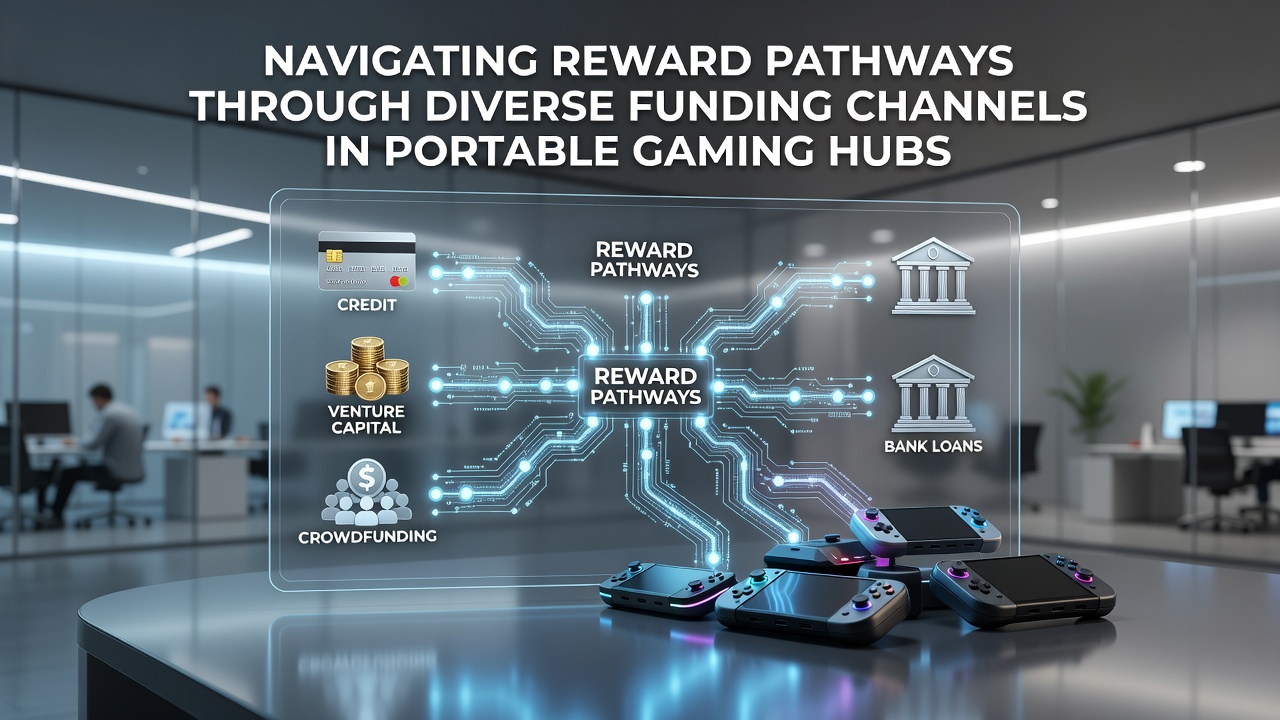
Portable gaming hubs have expanded rapidly as users seek flexible access to interactive entertainment on smartphones and tablets, and funding methods play a central role in how reward systems operate across these platforms. Data from industry reports indicate that players utilize multiple payment options including e-wallets, bank transfers, prepaid cards, and cryptocurrency services to initiate sessions, which in turn trigger layered bonus structures designed to encourage continued engagement. Research conducted by regulatory bodies in various regions shows that these funding pathways influence the speed at which loyalty points accumulate and the types of incentives that activate during gameplay.
Core Mechanics of Funding Integration
Payment providers connect directly to gaming applications through APIs that track transaction details and link them to user accounts, allowing systems to calculate eligibility for rewards based on deposit frequency and amount. In June 2026 operators reported increased adoption of instant settlement options that reduce processing delays, which in turn supports real-time bonus crediting on mobile interfaces. Those who study player behavior note that funding channels with lower transaction fees often correlate with higher participation rates in progressive reward programs because users retain more value for reinvestment.
Platforms segment rewards according to the funding source selected, such as offering additional spins or multiplier boosts when certain digital wallets are used, while bank transfers might unlock tiered cashback structures over longer periods. This segmentation arises from agreements between payment processors and gaming operators that define which channels qualify for promotional overlays, and figures from trade associations reveal that diversified funding options lead to broader user retention metrics across handheld ecosystems.
Security Protocols and Verification Layers
Authentication steps embedded in funding processes serve dual purposes by confirming user identity and routing reward eligibility data through secure channels that prevent fraud while maintaining seamless access. Biometric checks combined with transaction monitoring allow hubs to flag unusual patterns, after which reward pathways adjust automatically to reflect verified activity only. Observers note that these layered protections have become standard because regulatory frameworks in multiple jurisdictions require clear audit trails linking deposits to bonus distributions.
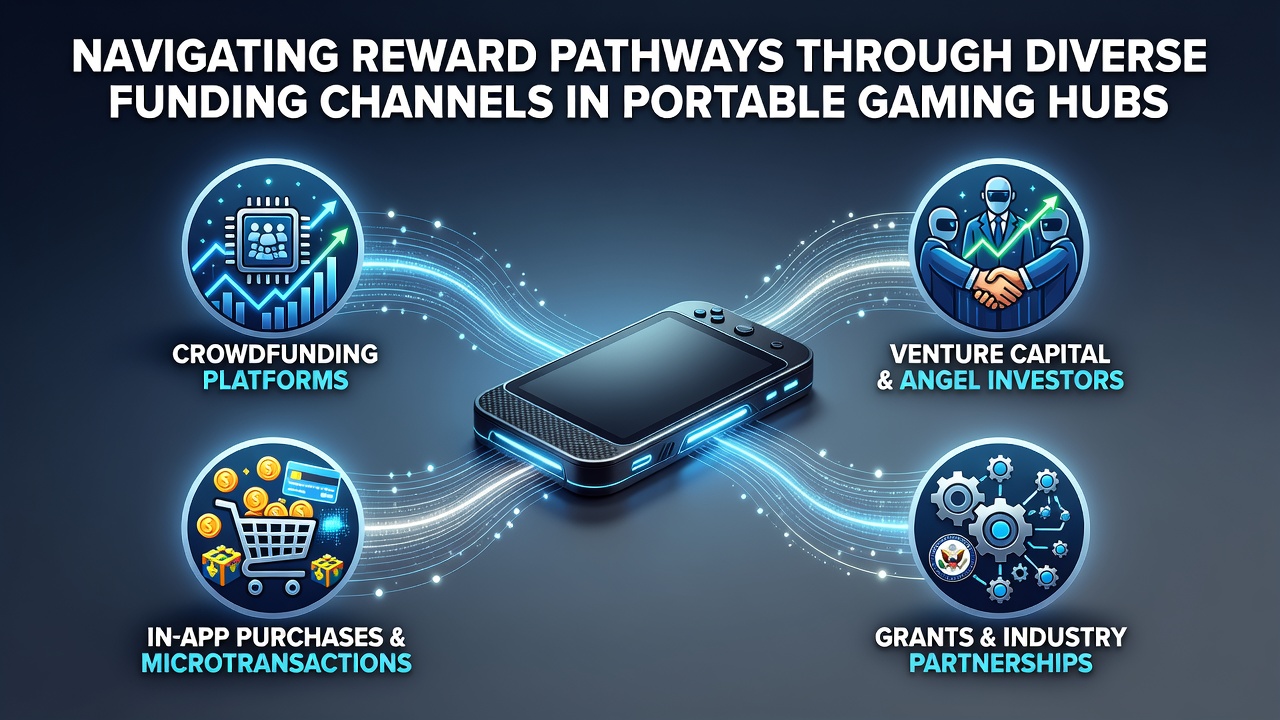
Cross-border transactions introduce additional variables because currency conversion and regional compliance rules affect how quickly rewards post to accounts, yet many hubs now incorporate multi-currency support that stabilizes these pathways. Industry organizations tracking these developments report that users who combine several funding methods within a single session often encounter compounded reward opportunities unavailable through single-channel deposits.
Regional Trends and Platform Adaptations
North American markets have seen portable gaming hubs emphasize prepaid and digital wallet options following updates from bodies such as the National Council on Problem Gambling, which highlight responsible funding practices tied to reward transparency. In contrast, Asian operators focus on localized bank integrations that align with domestic payment ecosystems, creating reward structures calibrated to regional preferences documented in operator filings. European platforms meanwhile prioritize cryptocurrency channels where permitted, with data from the European Gaming and Betting Association showing measurable shifts in bonus activation rates when these methods are promoted.
These adaptations demonstrate how funding diversity directly shapes reward navigation, as each channel carries distinct processing characteristics that operators map to incentive triggers. Studies from academic institutions examining mobile gaming logs confirm that platforms offering three or more verified funding routes experience elevated session durations because users can select methods matching their reward goals.
Conclusion
Portable gaming hubs continue to refine reward pathways by mapping them against an expanding set of funding channels, and this integration relies on technical infrastructure that processes transactions while distributing incentives according to predefined rules. Evidence from multiple regulatory and industry sources indicates that such systems support both operational efficiency and user access across devices. As funding technologies evolve, the connections between payment selection and reward outcomes remain central to how these hubs function in practice.