Mapping How Aggregated Feedback Loops Guide Funding Choices for Live Table Variants in App Ecosystems
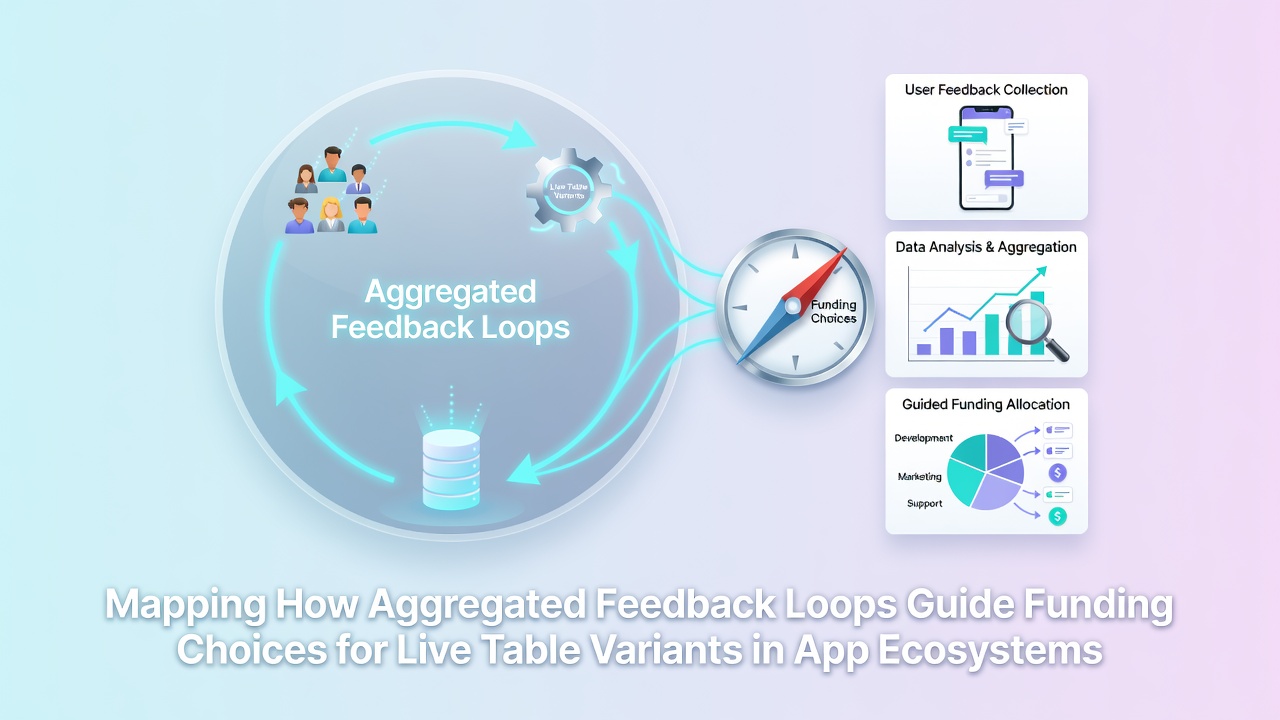
App developers track user interactions across live table variants through structured data collection systems that compile ratings, session durations, and feature usage patterns into centralized dashboards. These systems process thousands of data points daily from blackjack, roulette, and baccarat tables within mobile platforms, allowing teams to identify which variants attract sustained engagement while others see rapid drop-offs after initial trials.
Data Aggregation Mechanisms in Mobile Gaming Platforms
Developers combine signals from in-app surveys, review sections, and behavioral logs into weighted scores that reflect overall variant performance across different user segments, and this process occurs continuously as new sessions feed into existing models. Research indicates that platforms handling cross-border traffic often segment feedback by device type and payment method, which reveals whether certain table rules or dealer features perform better on tablets versus smartphones during peak evening hours in various time zones. Observers note that July 2026 saw several mid-sized operators adjust their internal dashboards to incorporate real-time sentiment analysis from non-English language reviews, expanding the scope of what counts as actionable input for funding allocations.
How Feedback Influences Resource Allocation Decisions
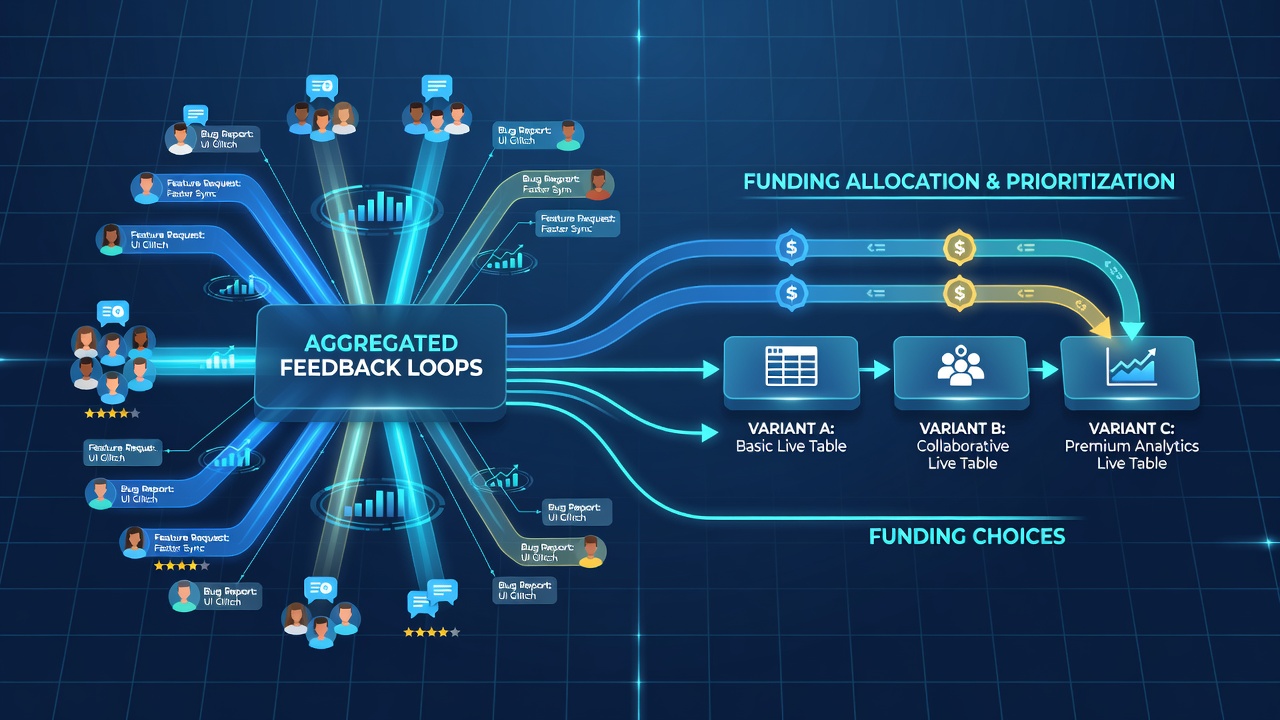
Teams responsible for live table development review aggregated metrics before committing engineering hours or marketing budgets to new rule sets or visual upgrades, and they prioritize variants that demonstrate consistent retention lifts over those showing only short-term spikes in downloads. Data shows that when average session length for a particular poker variant rises above platform benchmarks while complaint volume about latency stays low, funding for expanded dealer schedules and higher-resolution streaming often follows within the next development cycle. Those who've examined these patterns across multiple ecosystems find that smaller studios frequently mirror decisions made by larger operators once public leaderboards highlight which tables accumulate the highest composite scores over monthly reporting periods.
Regional Patterns and Cross-Platform Comparisons
Operators in the Asia-Pacific region tend to allocate more resources toward variants that incorporate local cultural elements after feedback loops flag higher completion rates among users from specific provinces, whereas European-based teams focus on rule transparency features when review clusters mention confusion around betting limits. A study released through the International Gaming Institute at the University of Nevada examined data from twelve app portfolios and found measurable shifts in funding toward hybrid table formats that blend traditional gameplay with quick-bet options once aggregated ratings crossed established thresholds. What's interesting is how these same loops also surface regional differences in preferred device orientations, prompting some developers to test landscape-only modes for certain variants before full rollout.
Integration with Payment and Verification Systems
Feedback related to transaction speed and verification steps often travels through the same aggregation pipelines as gameplay ratings, which means developers can correlate funding decisions for new table variants with improvements in deposit flows when user comments highlight friction points. Platforms that link these datasets report faster iteration cycles because negative signals about payment delays for a specific variant trigger parallel reviews of backend processes rather than isolated game adjustments. Figures from industry reports compiled by the International Association of Gaming Regulators illustrate how several jurisdictions updated their data-sharing guidelines in early 2026, giving operators clearer frameworks for using anonymized feedback in funding models without violating privacy standards.
Long-Term Effects on Variant Portfolios
Over multiple quarters, ecosystems that rely on aggregated loops show measurable concentration around three to five core variants per app while maintaining smaller experimental slots for emerging formats, and this pattern emerges because sustained positive signals justify ongoing support whereas mixed results lead to reduced investment. Those monitoring these trends observe that successful variants often receive incremental funding for seasonal events or limited-time rule modifications once baseline metrics stabilize, creating a self-reinforcing cycle where proven performers attract further refinement resources. Developers maintain oversight through quarterly audits that compare predicted outcomes from feedback models against actual retention numbers, adjusting weighting factors when external events such as device OS updates alter user behavior patterns unexpectedly.
Conclusion
The mapping of aggregated feedback loops onto funding choices continues to shape how live table variants evolve within app ecosystems, with data streams guiding decisions across technical, regional, and operational dimensions. As platforms refine their collection methods and incorporate additional signals from emerging device types, the relationship between user input and resource allocation grows more precise while remaining grounded in observable performance indicators rather than isolated preferences. Continued examination of these systems provides insight into how mobile gaming environments balance innovation with demonstrated demand across diverse user bases.