Exploring Intersections Between Verification Processes and Progressive Jackpot Accessibility in Multi-Platform Setups
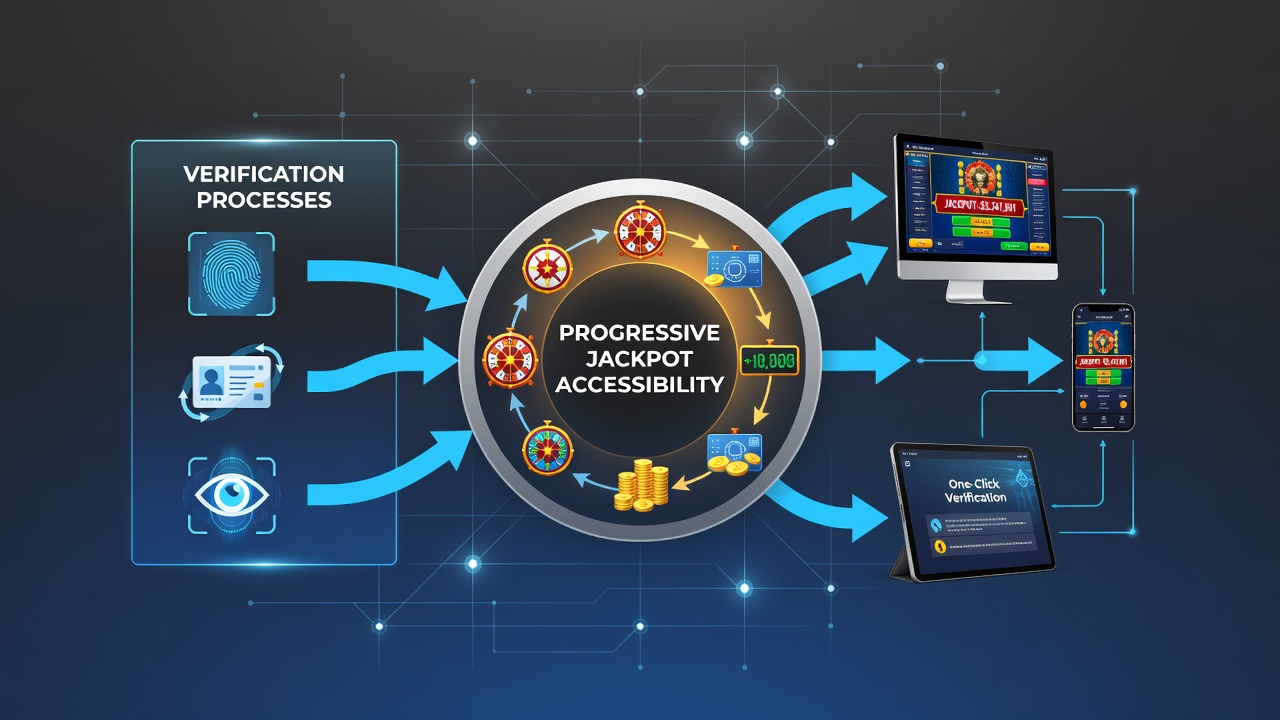 Verification processes now sit at the center of how players reach progressive jackpots that span web portals, mobile apps, and integrated live environments. Operators link these systems through shared databases so that a single identity check opens access across devices while still meeting regional rules. Data from mid-2026 shows increased coordination between platforms after several networks expanded their pooled jackpot pools in teh first half of the year.
Verification Standards Across Connected Platforms
Multi-platform setups require identity checks that travel with the user rather than reset at each login point. A player who completes document upload on a desktop site can carry that status to a mobile app through encrypted tokens, yet each new device still triggers additional device fingerprinting and location checks. Regulators in Nevada and several Australian states updated guidelines in early 2026 to require real-time cross-device confirmation before jackpot participation begins.
These checks affect jackpot eligibility because most networks freeze contributions and prize claims until verification reaches full status. Operators report that partial verification allows play on standard slots but blocks entry into progressive pools until all steps finish. The result is a staggered access model that keeps platforms compliant while letting verified users move between interfaces without repeating the entire process.
Progressive Jackpot Mechanics in Cross-Platform Environments
Progressive systems aggregate bets from multiple platforms into single prize pools that update continuously. When a player switches from a web browser to a mobile app, the network recognizes the same verified account and continues adding to the shared meter. This continuity depends on verification data remaining synchronized across servers, which network operators achieve through centralized identity management services.
Jackpot triggers themselves require the account to hold active verification status at the exact moment of the win. If a session crosses from one platform to another mid-play and verification lapses, the system pauses jackpot contributions until the player re-authenticates. Reports issued in July 2026 by several North American operators highlighted how these pauses occur most often during rapid device switches rather than during single-platform sessions.
Technical Integration Points and Data Flow
Verification data moves through application programming interfaces that connect gaming engines with compliance databases. When a user attempts to join a progressive game on a new platform, the system queries the central verification record before allowing the bet to contribute to the pool. This query adds milliseconds to load times yet prevents unverified accounts from entering prize draws.
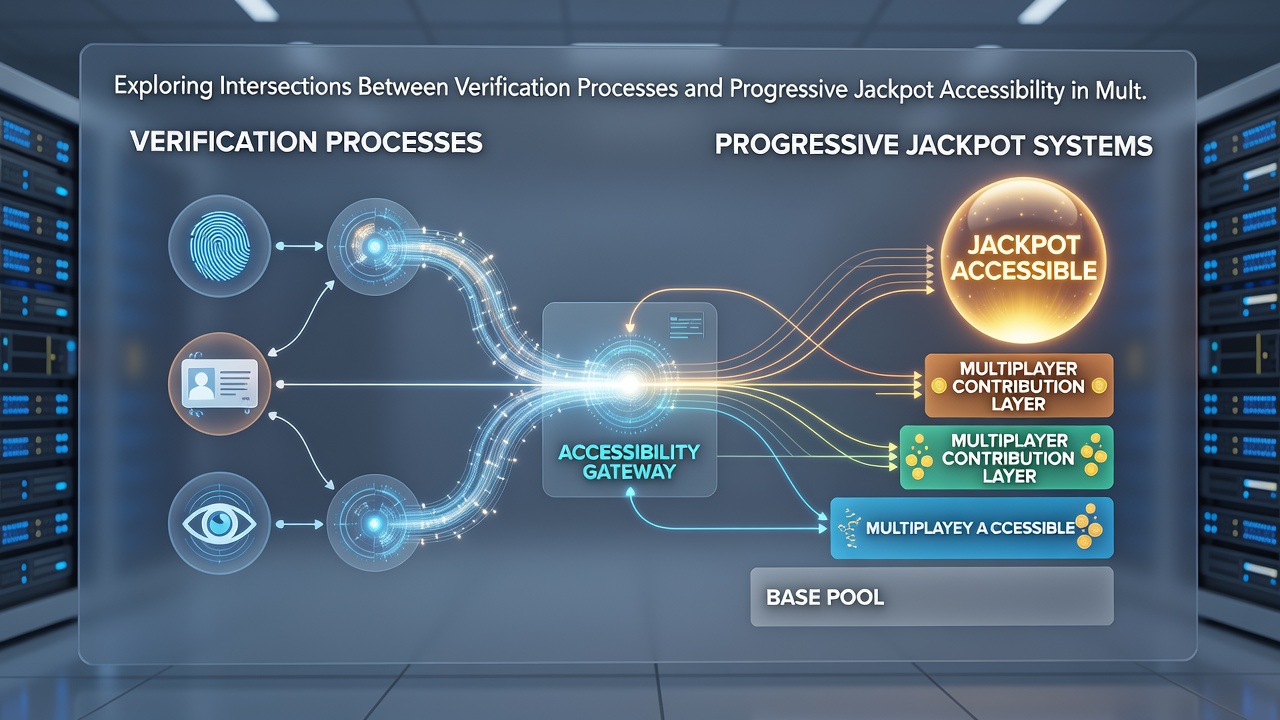
Security protocols also require re-verification triggers after certain time intervals or when unusual activity patterns appear across devices. Industry groups such as the Nevada Gaming Control Board track these events as part of ongoing compliance audits. The added layer protects jackpot integrity but introduces brief interruptions that players notice most during high-stakes sessions.
Regional Regulatory Variations and Platform Responses
Different jurisdictions impose distinct verification timelines that affect how quickly players reach progressive features. European operators often allow limited play before full checks complete, whereas several U.S. states and Canadian provinces require completed verification before any jackpot contribution registers. Networks serving multiple regions therefore maintain separate verification tiers that activate or restrict jackpot access according to the player's location and account status.
Research from the University of Nevada, Las Vegas Center for Gaming Research indicates that platforms using unified verification dashboards reduced access delays by measurable margins during the first two quarters of 2026. These dashboards consolidate document status, device history, and location flags into one view, allowing operators to apply consistent rules across every connected interface.
Future Developments in Verification and Jackpot Access
Developers continue testing biometric options that could shorten verification cycles while preserving security standards. Facial recognition and fingerprint checks already appear in several mobile applications, and early data suggest these methods integrate smoothly with progressive systems when paired with existing token-based authentication. Operators watch regulatory responses in multiple regions as they expand these tools across additional platforms.
Conclusion
Verification processes and progressive jackpot accessibility now operate as linked components within multi-platform environments. Synchronized identity checks determine when and where players contribute to shared pools and when they become eligible for prizes. Networks that maintain consistent data flow across devices reduce friction while meeting regulatory requirements, and continued technical refinements are expected to keep these systems aligned as platforms evolve.