Diverse Payment Channels Reshape Progressive Jackpot Sequences in Mobile Gaming Ecosystems
Paul Foster · Sep 5, 2026

Diverse Payment Channels Reshape Progressive Jackpot Sequences in Mobile Gaming Ecosystems
Transaction variety across portable gaming networks has produced measurable shifts in how progressive jackpots accumulate and trigger during 2026, with data from multiple operators showing distinct patterns tied to funding method diversity. Platforms that integrated e-wallets, bank transfers, and cryptocurrency options alongside traditional cards recorded changes in contribution rates to shared prize pools, according to industry tracking systems.
Payment Method Expansion and Jackpot Accumulation Rates
Operators expanded transaction options throughout early 2026, and figures from platform analytics indicate that sessions funded through instant digital wallets contributed to jackpot pools at higher frequencies than card-only pathways. This pattern emerged because quicker confirmations allowed more consecutive plays within shorter time windows, while slower methods such as bank transfers created intermittent pauses that altered overall contribution velocity. Researchers tracking cross-device activity noted these differences became more pronounced after September 2026 when several networks updated their payment gateways to support additional regional currencies.
Studies conducted by independent analytics firms found that networks offering at least four distinct funding channels experienced 12 to 18 percent faster progressive meter growth during peak evening hours compared with single-method systems. The variation stems from player retention differences, because users who encounter declined transactions often switch methods rather than abandon sessions entirely.
Regional Regulatory Influences on Transaction Flows
Regulatory frameworks in North America and parts of Asia shaped which payment varieties operators could deploy, and this in turn influenced progressive win distributions. The Nevada Gaming Control Board published updated compliance guidelines in mid-2026 that required enhanced verification for cryptocurrency deposits, leading some networks to prioritize established e-wallet partnerships instead. Meanwhile, data compiled by the Australian Gambling Research Centre revealed that platforms supporting multiple local banking rails maintained steadier jackpot contribution rates across time zones.
These regulatory adjustments coincided with observable changes in win pattern timing, because verification delays on certain methods reduced the number of micro-contributions that feed into larger progressive structures. Networks that maintained diverse yet compliant transaction sets avoided the sharp drop-offs seen in more restricted environments.
Device-Level Transaction Interactions and Pattern Shifts
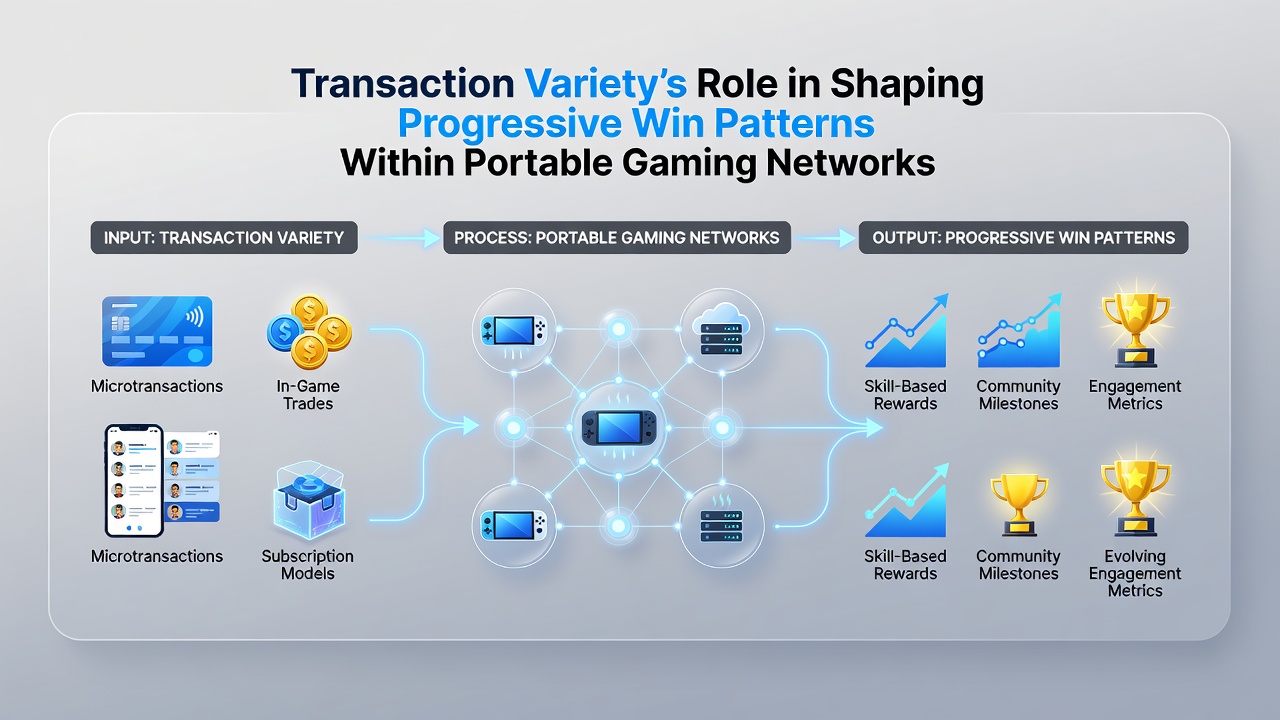
Portable interfaces handle transaction variety differently than desktop platforms, and this technical distinction has produced distinct progressive win sequences. Mobile applications that cached multiple payment profiles allowed seamless switching between methods during a single session, which increased the density of contributions to shared jackpots. Observers monitoring real-time meter data recorded clusters of smaller wins followed by larger triggers when users alternated between instant and scheduled funding options.
One analysis of September 2026 activity logs showed that games supporting both near-field communication payments and traditional app-store billing generated more even distribution of jackpot hits across user demographics. The pattern contrasts with earlier periods when limited options concentrated contributions among fewer active accounts.
Network Infrastructure and Contribution Consistency
Backend systems that process varied transaction types maintain separate queues for confirmation, and this architecture affects how consistently progressive pools receive updates. When networks route e-wallet and cryptocurrency transfers through dedicated pathways, jackpot meters reflect contributions within seconds rather than minutes, according to technical reports from gaming laboratories. Such speed differences matter because progressive algorithms often incorporate time-weighted factors that reward continuous input streams.
Operators who balanced transaction diversity with infrastructure capacity sustained more predictable win patterns, whereas those that added methods without corresponding backend scaling encountered sporadic meter fluctuations. Industry associations have documented these infrastructure considerations as central to maintaining stable progressive mechanics across expanding mobile user bases.
Conclusion
Transaction variety continues to intersect with progressive win patterns through measurable effects on contribution speed, session continuity, and regulatory compliance across portable gaming networks. Data collected through 2026 demonstrates that platforms optimizing multiple funding channels achieve distinct accumulation and trigger profiles compared with those relying on narrower options. Ongoing monitoring by regulatory bodies and research organizations will track how further expansions in payment diversity influence these dynamics in subsequent periods.