Decoding how verification layers reshape progressive jackpot pathways in multi-device bonus ecosystems
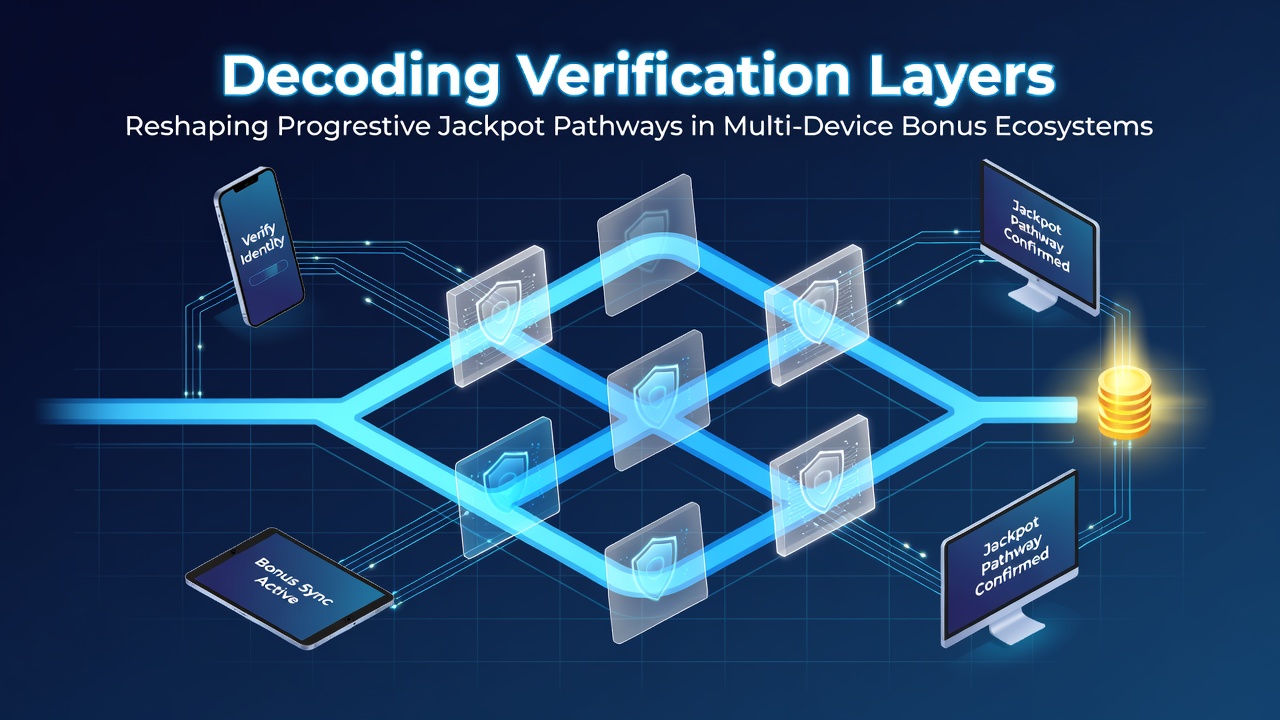
Verification layers now sit at the core of progressive jackpot systems because they establish player identity before any contribution flows into shared prize pools and because they maintain eligibility checks across phones, tablets, and desktop terminals. These layers combine document uploads, biometric scans, and real-time database queries, which together create gatekeeping points that determine when and how a player can join a jackpot pathway.
Operators implement these steps to satisfy regulatory mandates while they preserve the integrity of bonus ecosystems that span multiple devices. Data from the Nevada Gaming Control Board shows that verification completion rates directly influence jackpot contribution volumes because unverified accounts remain locked out of pooled betting activity.
Verification mechanics and jackpot contribution rules
Progressive jackpots accumulate fractions of each qualifying bet, yet verification protocols decide which bets count toward the pool. Systems first confirm a player's age, location, and account status before they allow the bet to register as a jackpot contributor. This sequence prevents ineligible wagers from inflating prize amounts while it routes verified players into synchronized bonus structures that operate identically on mobile and desktop interfaces.
Biometric checks often occur at login and again before large jackpot claims, which adds friction but reduces fraud vectors. Those who've studied these systems note that the added checkpoints create distinct pathways where verified players enjoy uninterrupted bonus accrual whereas others face temporary exclusions until documents clear.
Cross-device synchronization challenges
Multi-device bonus ecosystems rely on cloud-based ledgers that update jackpot meters in real time, yet verification layers must reconcile identity across every session. A player who starts on a mobile app and switches to a desktop browser encounters the same jackpot meter only after each device passes authentication protocols. Research from the Office of Liquor and Gaming NSW indicates that seamless handoffs depend on persistent verification tokens that survive device switches without requiring repeated document uploads.
Delays surface when networks drop or when biometric matches fail on one platform, which temporarily removes a player from active jackpot pathways. Observers note that these interruptions reshape contribution patterns because players often consolidate activity on the device where verification feels most reliable.
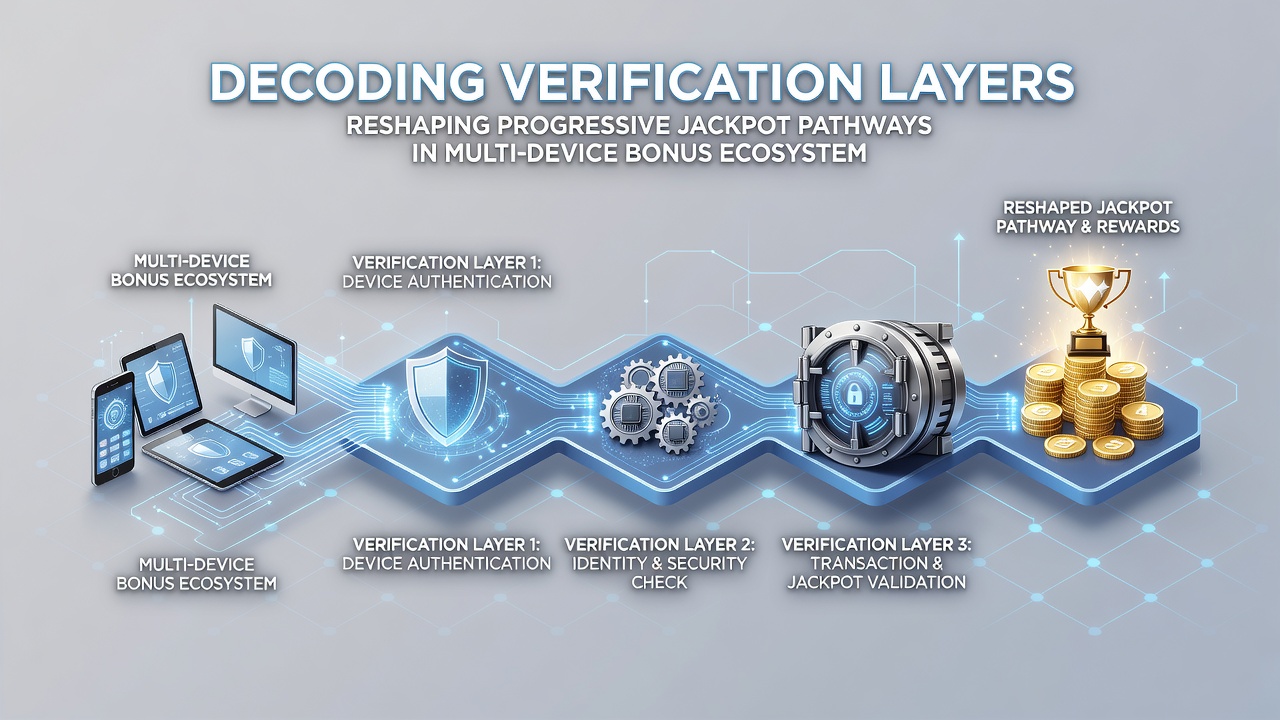
Bonus ecosystem integration in July 2026
As of July 2026, many platforms link verification status directly to bonus eligibility tiers so that higher verification levels unlock larger progressive contributions and faster bonus release schedules. This integration means a fully verified account can participate in multiple jackpot networks simultaneously whereas partial verification restricts access to select pools only. Figures from regulatory filings reveal that such tiered access alters overall jackpot growth rates because fewer accounts contribute at maximum levels.
Developers adjust algorithms to account for verification-induced drop-off, which keeps prize pools balanced even when verification queues lengthen during peak hours. Those who've examined the data find that bonus ecosystems now embed verification checkpoints inside the bonus claiming flow itself, which reduces the number of orphaned jackpot entries that arise from device switches.
Regulatory and operational outcomes
Regulators require audit trails that map every verification event to jackpot contributions, which forces operators to maintain detailed logs across all connected devices. These logs support dispute resolution when jackpot wins occur shortly after a verification upgrade. Industry reports highlight that clearer trails have shortened claim processing times because authorities can trace eligibility from the first verified bet onward.
Operators also use aggregated verification statistics to forecast jackpot peaks and to allocate server resources across regions. The result appears in more stable prize pools because verification layers filter out volatile or fraudulent activity before it affects meter calculations.
Conclusion
Verification layers continue to redefine how progressive jackpots collect contributions and how multi-device bonus systems maintain consistency. By enforcing identity checks at multiple points, these mechanisms shape which players participate, how quickly pools grow, and how claims resolve across platforms. Data from multiple jurisdictions shows measurable effects on contribution volumes and claim timelines, which indicates that verification remains a central factor in the architecture of modern jackpot pathways.