Deciphering How Banking Channel Choices Shape Reel Spin Versus Card Game Activity in App Ecosystems
Paul Foster · Aug 22, 2026
Deciphering How Banking Channel Choices Shape Reel Spin Versus Card Game Activity in App Ecosystems
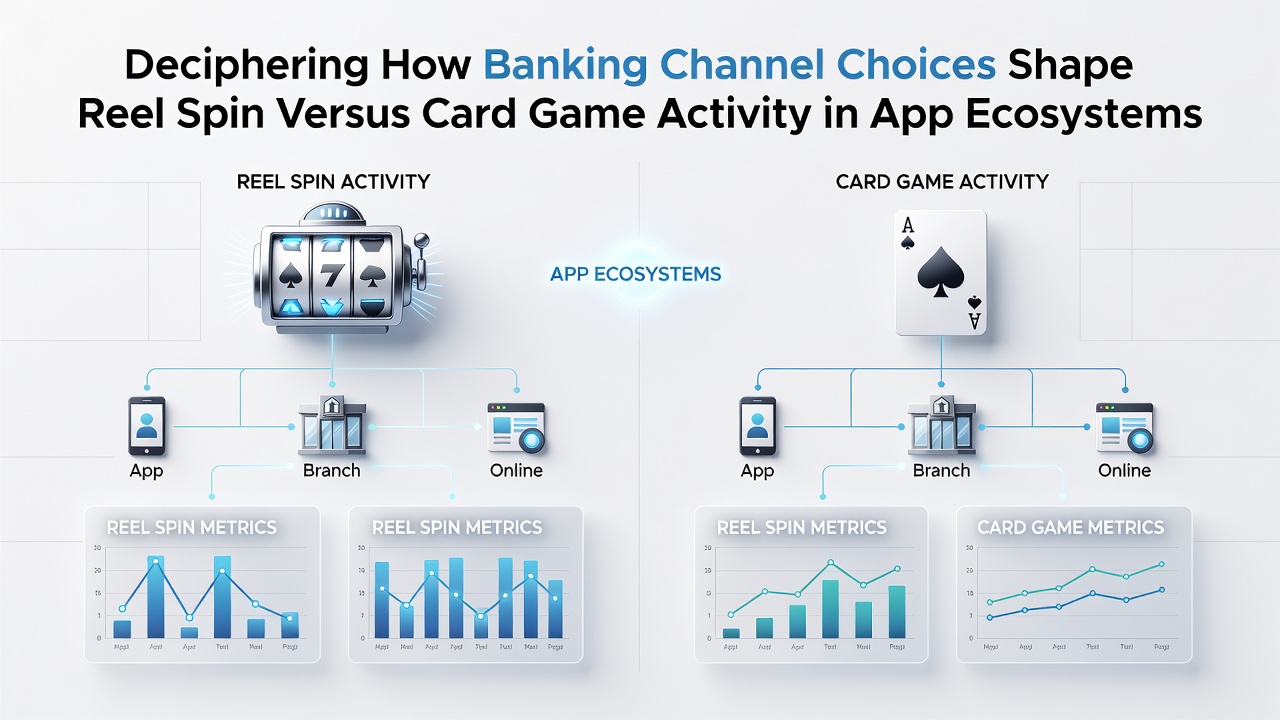
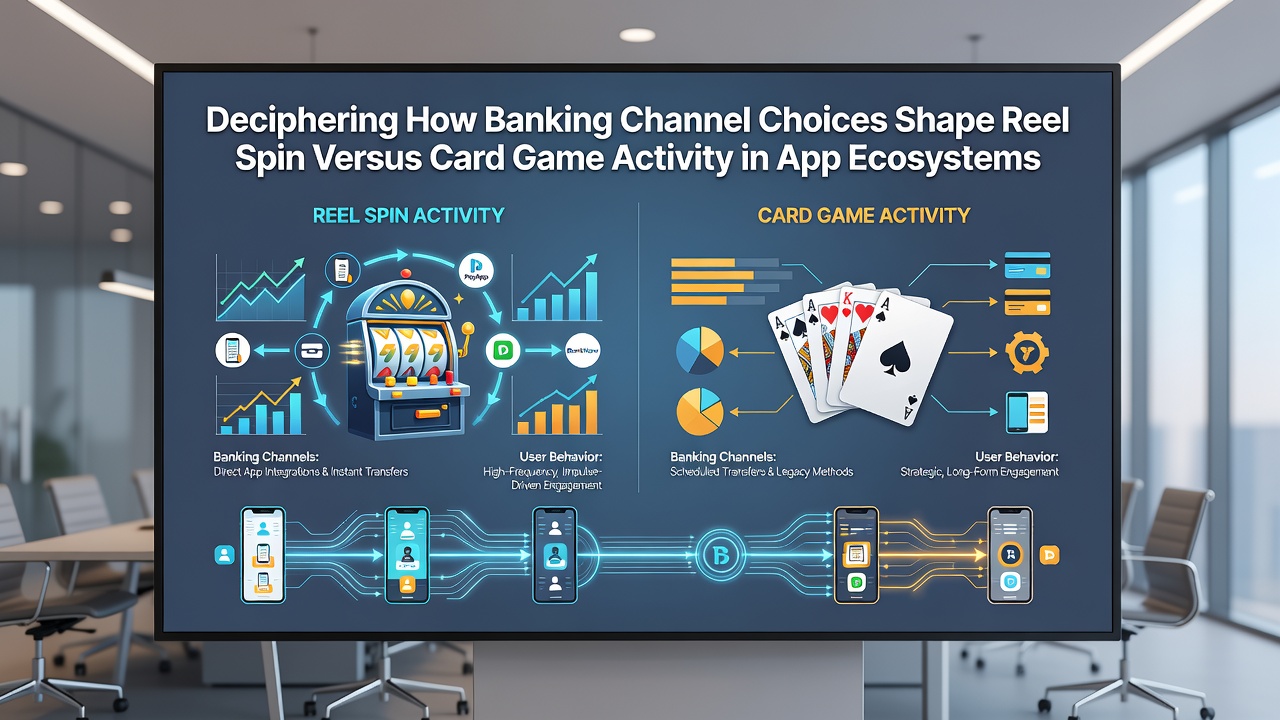
Banking channel selections continue to influence activity patterns across mobile gaming platforms where reel spin sessions and card game rounds compete for user time. Data compiled through 2026 indicates that instant payment methods such as e-wallets correlate with higher volumes of short-duration reel spin activity while traditional bank transfers align more closely with extended card game sessions in the same app environments.
Payment speed emerges as one measurable variable in these patterns. When users select options that process in under thirty seconds, reel spin sequences increase by measurable margins according to aggregated platform metrics released in August 2026. Slower verification steps associated with certain card-linked transfers instead coincide with sustained participation in variants like blackjack and baccarat where decision intervals stretch longer between rounds.
Payment Infrastructure and Session Dynamics
App ecosystems integrate multiple funding routes that each carry distinct processing characteristics. Observers tracking user flows note that platforms supporting cryptocurrency deposits record elevated reel spin initiation rates during peak evening hours whereas direct bank account links show steadier card game engagement spread across daytime periods. These differences trace back to settlement times and confirmation layers built into each channel.
Research from the Australian Institute of Criminology highlights how transaction friction affects game-type selection in digital environments. Their analysis of cross-border mobile transactions reveals that users encountering multi-step authentication sequences tend to migrate toward table game interfaces that reward strategic pacing over rapid repetition. Meanwhile frictionless wallet integrations keep players anchored to high-frequency reel mechanics where each spin resolves in seconds.
Regional Variations in Channel Preferences
Geographic factors layer additional complexity onto these interactions. In markets where regulatory frameworks mandate enhanced verification for larger transfers, activity tilts noticeably toward card game formats that accommodate longer decision windows. Platforms operating under lighter instant-deposit rules demonstrate the opposite tilt with reel spin volumes rising proportionally to the availability of one-tap funding methods.
One case tracked by the Nevada Gaming Control Board in mid-2026 documented a measurable shift after several operators introduced new digital wallet partnerships. Reel spin activity climbed while average session lengths for card-based titles remained stable or declined slightly across the monitored cohort.
Interface Design and Behavioral Loops
App developers embed payment prompts at strategic points within each game category. Reel spin sequences often feature deposit reminders between rounds that emphasize speed and minimal interruption while card game lobbies surface funding options during natural breaks between hands. These design choices reinforce the underlying relationship between channel characteristics and activity type.
Studies conducted by the University of Nevada Reno Gaming Research Center have mapped how confirmation notifications themselves shape continuation decisions. Instant approvals delivered via push message correlate with immediate return to reel interfaces whereas delayed receipts frequently prompt users to explore table game menus during the wait interval.
Cross-Platform Data Patterns
Aggregated reports from the International Association of Gaming Regulators show consistent directional trends across multiple jurisdictions through August 2026. Platforms offering a balanced mix of instant and delayed banking options register distinct clustering where quick-funding users concentrate activity in reel spin titles and slower-channel users distribute time more evenly across card variants.
Transaction size also plays a documented role. Smaller frequent deposits processed through mobile wallets align with fragmented reel spin sessions while larger consolidated transfers processed through banking apps correspond to longer uninterrupted card game blocks. These correlations appear across both iOS and Android ecosystems without significant deviation by operating system.
Conclusion
Banking channel architecture continues to function as a silent determinant of activity distribution within mobile gaming ecosystems. Reel spin versus card game participation reflects measurable differences in processing speed, verification depth, and interface timing tied to each funding route. As operators refine payment integrations through late 2026, these linkages are expected to remain central to understanding how users allocate time between rapid mechanical sequences and strategic table formats.