Connections Between Evaluation Scores and Choices in Interactive Entertainment Using Varied Transaction Methods
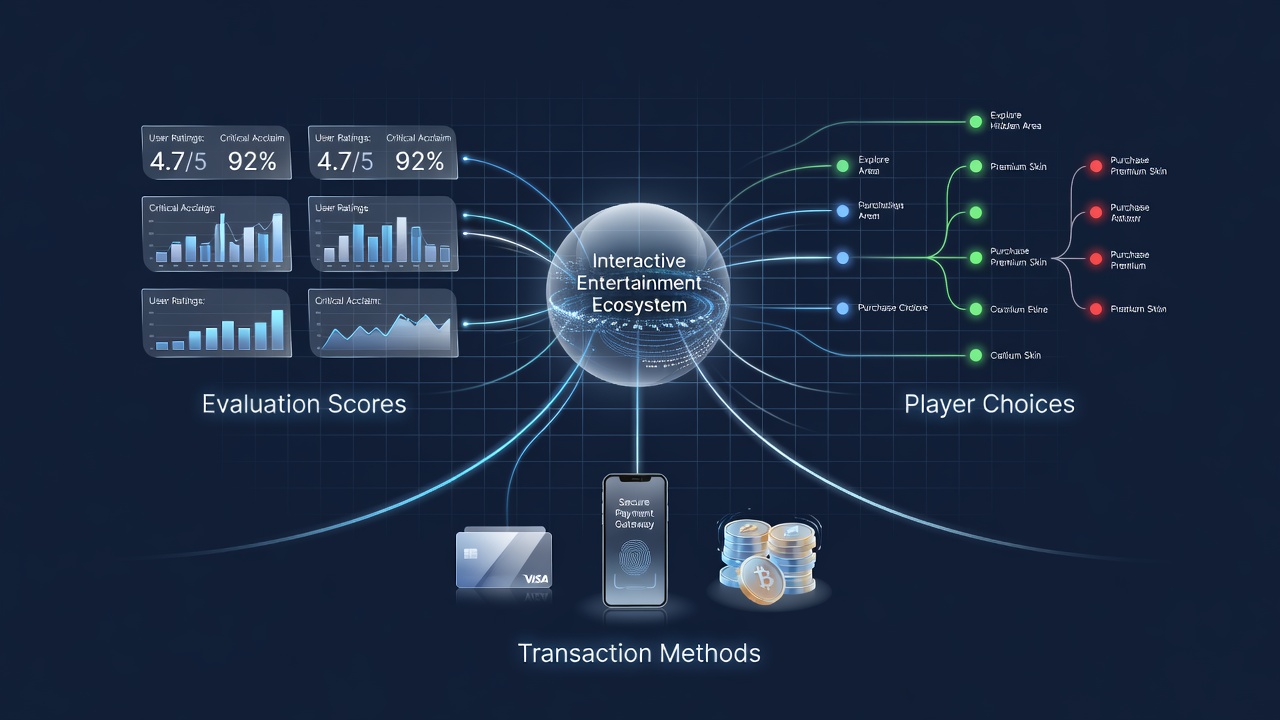
Evaluation scores on digital platforms continue to guide user selections in interactive entertainment, and transaction methods add another layer that researchers track across mobile games, streaming services, and virtual environments. Data collected through 2026 reveals consistent patterns where higher ratings align with certain payment preferences while lower scores shift users toward alternative funding routes that feel more flexible or reversible.
Platform Ratings as Decision Drivers
Studies from multiple regions show that users consult aggregate scores before committing to downloads, subscriptions, or in-app purchases, and those scores often determine whether a product receives initial attention. When ratings sit above 4.5 on major app stores, conversion rates climb steadily, whereas titles hovering near 3.8 experience noticeable drop-offs even when marketing spend remains high. Observers note that this dynamic holds across console ecosystems and browser-based experiences alike.
Transaction methods intersect with these scores because payment friction can amplify or diminish the perceived value of a highly rated item. Credit card users, for instance, complete purchases more quickly on well-reviewed platforms, while those relying on digital wallets or prepaid balances pause longer to compare options and read recent reviews before finalizing a choice.
Transaction Method Patterns in 2026
Industry reports released in June 2026 from the Entertainment Software Association highlight that users employing cryptocurrency or region-specific e-wallets tend to explore a wider range of titles before settling on one, often scanning scores across multiple stores. In contrast, direct bank transfers correlate with more deliberate selections focused on top-rated experiences that promise long-term engagement. These behaviors appear in both free-to-play models and premium purchases.
Regional Variations in Payment Influence
Canadian data from the 2025-2026 fiscal year indicates that users in provinces with strong digital banking adoption show stronger links between evaluation scores and subscription renewals when using integrated bank apps. Meanwhile, Australian research compiled by the Interactive Games and Entertainment Association points to mobile users favoring gift card redemptions on mid-rated games that still offer strong community feedback. Such differences underscore how local infrastructure shapes the relationship between ratings and spending decisions.
Additional findings from academic tracking at institutions like the University of Melbourne demonstrate that users who switch transaction methods mid-session often revisit rating sections before confirming a second purchase. This behavior suggests that payment type can reset the weight users assign to evaluation scores during a single browsing period.
Cross-Platform Data Trends
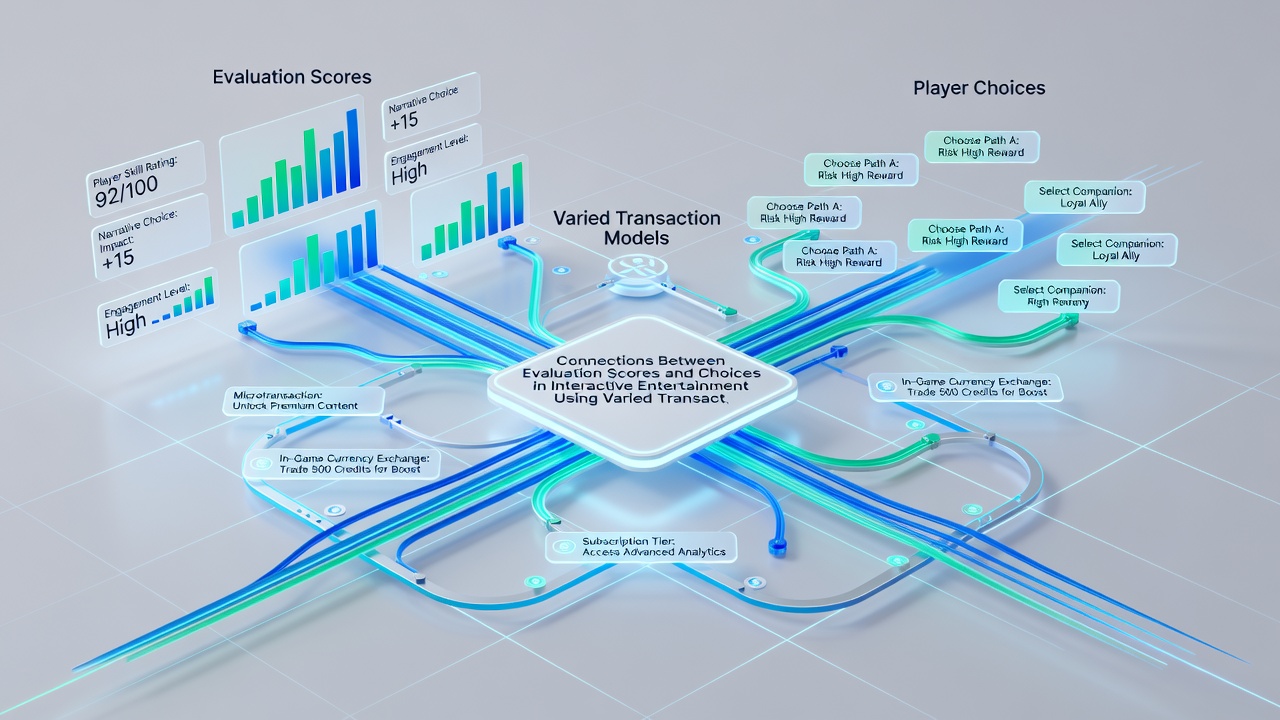
Cross-device analytics from 2026 reveal that tablet users who rely on stored payment profiles maintain higher loyalty to titles with consistent high scores, whereas smartphone sessions involving one-time payment links show greater openness to experimenting with mid-tier rated content. The difference appears most pronounced in live service games where ongoing transactions occur. Researchers tracking these flows note that score visibility on checkout screens can nudge users toward or away from certain methods depending on recent platform updates.
One documented case involves a major multiplayer title that adjusted its in-app store layout in early 2026; after the change, users paying via direct carrier billing showed increased engagement with lower-scored expansions once those items appeared alongside stronger-rated core content. The adjustment highlighted how interface design and payment options jointly affect score-driven choices.
Future Tracking and Measurement
Organizations monitoring interactive entertainment continue to refine metrics that connect evaluation scores with transaction logs. New dashboards introduced in mid-2026 allow developers to segment user cohorts by both rating thresholds and payment categories, revealing previously hidden correlations in retention and spend. These tools help platforms adjust recommendation engines without altering underlying score calculations.
Evidence from aggregated reports shows that users who encounter payment failures often return to review sections before retrying with an alternate method, creating a feedback loop between scores and transaction success rates. This loop appears across genres and remains consistent whether the entertainment involves competitive play, narrative experiences, or social features.
Conclusion
Connections between evaluation scores and choices in interactive entertainment continue to evolve alongside varied transaction methods, with data from 2026 providing clearer segmentation than earlier periods. Researchers and platform operators track these intersections through ongoing studies that separate payment preferences from rating influences, yielding actionable patterns for content presentation and checkout design. The resulting insights support more precise alignment between user expectations and available funding routes across global markets.