Charting Biometric Authentication Pathways and Their Influence on Instant Bonus Triggers in Gaming Ecosystems
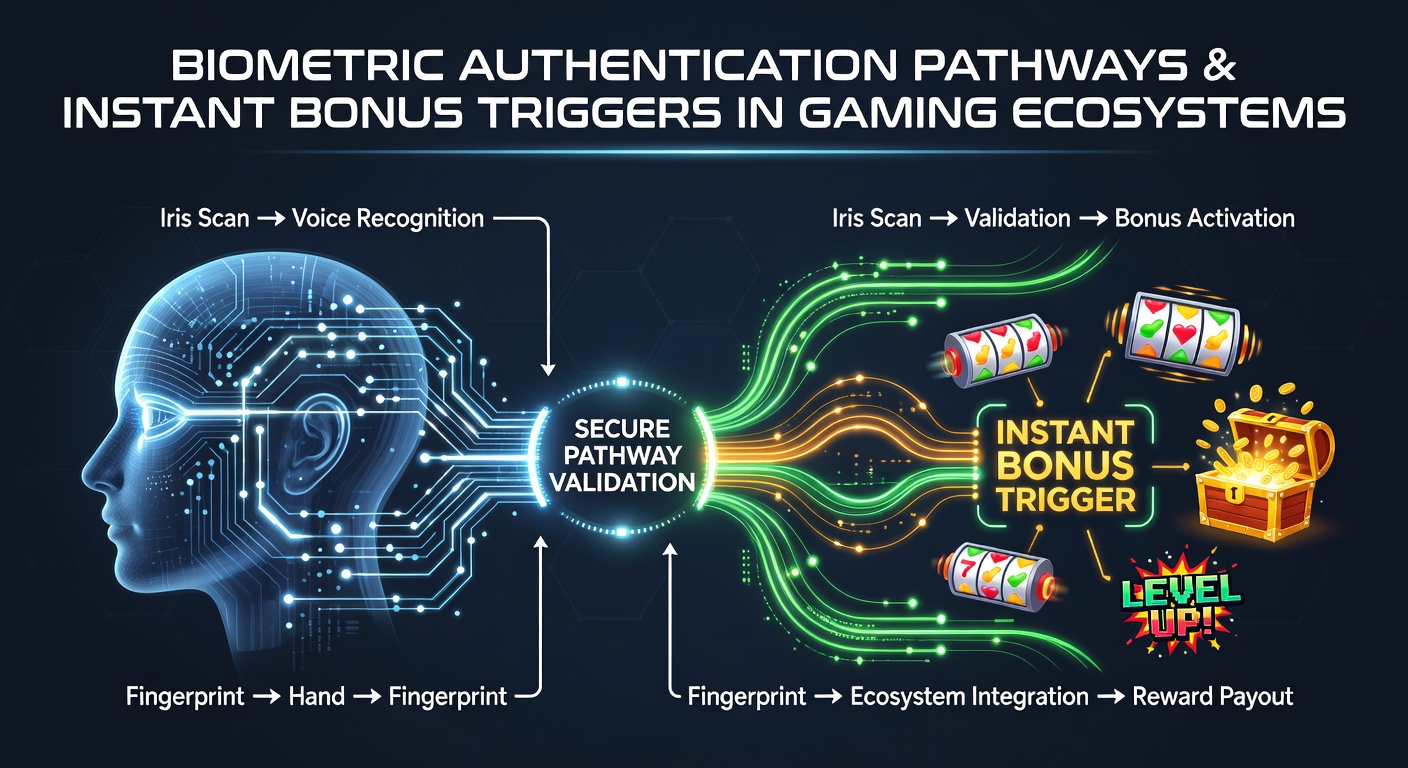
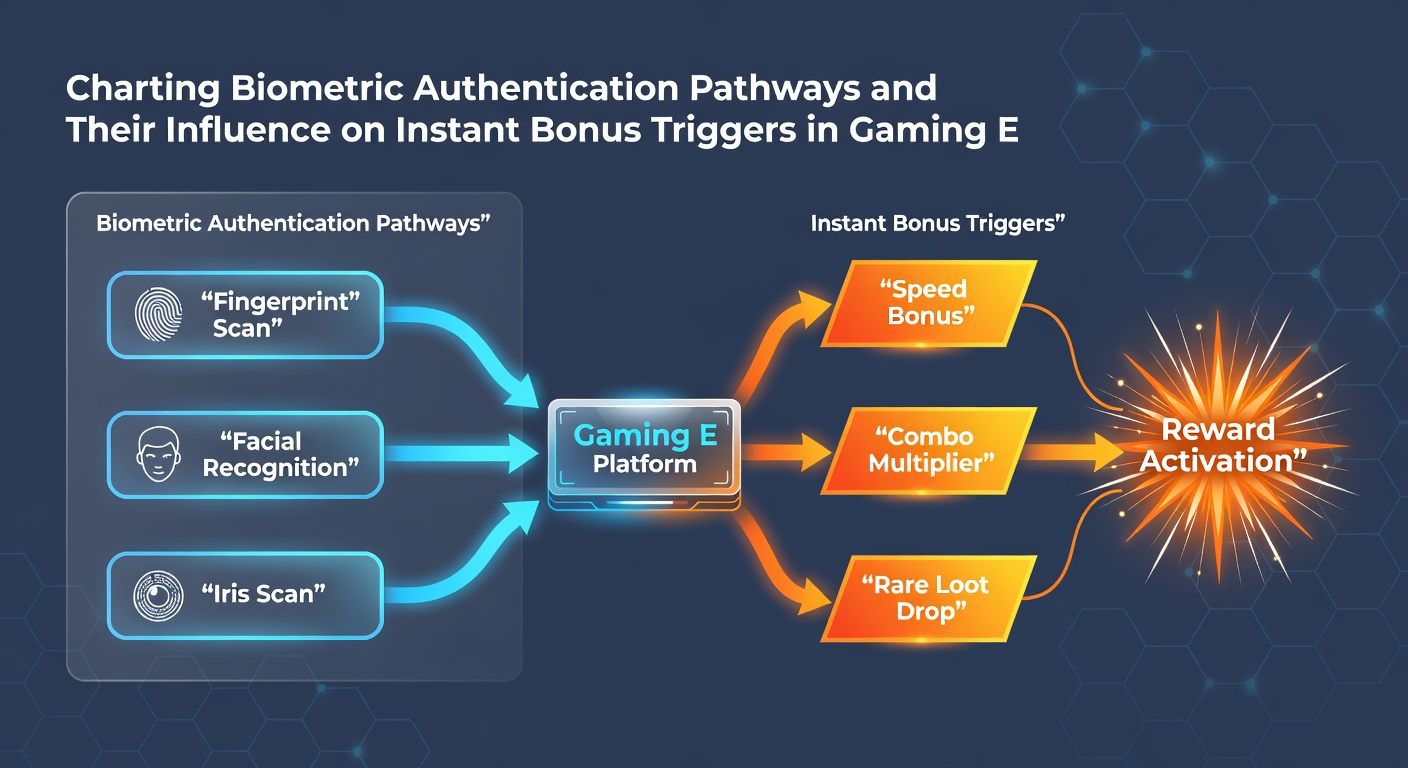
Biometric authentication pathways have reshaped how gaming platforms manage user access and deliver instant bonus triggers across digital ecosystems. Systems now rely on fingerprint scans, facial recognition, and iris patterns to verify identities in seconds, which directly accelerates the activation of promotional credits and rewards. Data from industry reports shows that platforms adopting these methods cut verification times by up to 70 percent compared with traditional password or SMS methods.
Core Biometric Pathways in Gaming Environments
Multiple pathways operate simultaneously in modern setups. Fingerprint sensors on mobile devices pair with facial recognition cameras to create layered checks that confirm user presence before any bonus code activates. Voice biometrics add another dimension during live dealer sessions, where spoken phrases trigger reward sequences without interrupting gameplay flow. Researchers at institutions tracking digital security note that these combined methods reduce false positives while maintaining compliance with regional gaming standards.
Platforms integrate these pathways through APIs that connect directly to bonus engines. When a user completes a biometric scan, the system cross-references stored templates against live data and releases instant bonuses such as free spins or deposit matches. In May 2026 several major operators expanded this integration after testing showed higher retention rates among verified accounts.
Technical Integration with Bonus Trigger Mechanisms
Instant bonus triggers depend on real-time data exchange between authentication modules and reward servers. A successful facial scan, for example, signals the backend to apply a time-limited offer within the same session. This process uses encrypted token exchanges that prevent replay attacks while allowing seamless progression from login to gameplay. Observers note that such architecture supports progressive jackpot contributions and loyalty point accruals without manual code entry.
Security and Compliance Considerations
Regulatory frameworks in multiple jurisdictions require biometric data handling under strict privacy rules. The National Institute of Standards and Technology outlines guidelines for template storage that gaming operators follow to protect user information. Compliance audits in 2026 revealed that platforms using on-device processing rather than centralized databases achieved faster certification cycles with bodies like the Malta Gaming Authority.
Encryption standards protect biometric templates during transmission. Multi-factor approaches combine biometrics with device binding, which ensures that bonus eligibility remains tied to verified hardware. Those who monitor ecosystem developments point out that these measures also deter account sharing practices that previously diluted promotional value.
Impact on User Progression and Ecosystem Dynamics
Gaming ecosystems benefit when biometric pathways shorten the gap between account creation and reward access. Users who complete initial scans gain immediate entry to tiered bonus structures that evolve based on play patterns. Studies from academic research groups indicate that such friction reduction correlates with increased session lengths across slot and table categories.
Cross-platform compatibility further amplifies these effects. A fingerprint verified on a smartphone can authorize desktop sessions through synchronized cloud tokens, enabling bonus triggers regardless of device. Industry associations tracking adoption rates report steady growth in markets where mobile-first strategies dominate, particularly in regions with established digital payment rails.
Emerging Developments and Data Trends
Advancements in liveness detection now distinguish live users from static images or recordings during authentication. This refinement prevents unauthorized bonus claims while preserving speed. Figures released in early 2026 show platforms employing updated algorithms experienced fewer disputes over reward eligibility.
Partnerships between biometric technology providers and gaming software houses continue to refine pathway efficiency. Machine learning models analyze scan success rates to adjust sensitivity thresholds dynamically, which maintains accessibility for legitimate users across varied lighting or environmental conditions.
One case highlighted by analysts involved a regional operator that linked biometric checkpoints to seasonal promotions, resulting in measurable upticks in verified account activity during targeted campaigns. Similar implementations appear in both established and emerging markets as infrastructure supports higher data throughput.
Conclusion
Biometric authentication pathways continue to influence how instant bonus triggers function within gaming ecosystems by prioritizing speed, security, and seamless integration. Ongoing refinements in detection methods and regulatory alignment support broader deployment while protecting user data. Platforms that map these pathways effectively position themselves to deliver consistent reward experiences as ecosystem demands evolve through 2026 and beyond.